
01Introduction
The vertical layout suits plants with limited floor space and frequent product changes. It is also simple to dismantle for cleaning.
Both vertical and horizontal mills are valid; the right one depends on duty and operator preference.
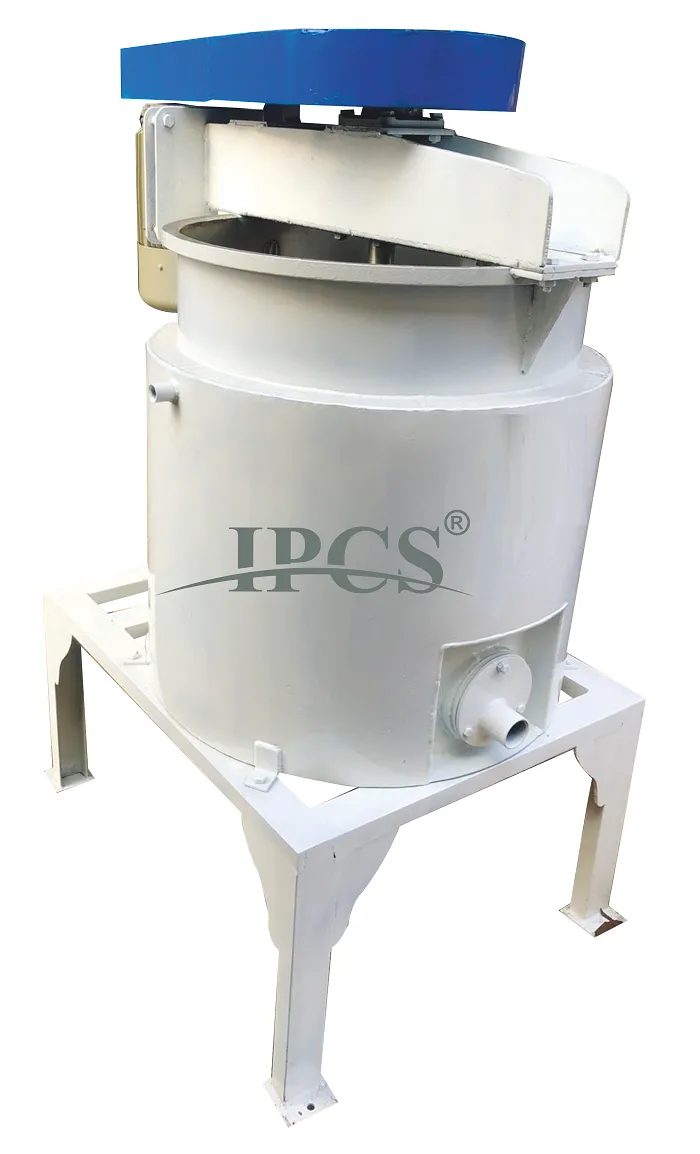
02What Is Vertical Bead Mill?
Paste enters at the bottom, flows upward through the beads and exits through a separation screen at the top. The shaft has discs or pins that agitate the beads. A cooling jacket controls temperature.
Bead filling and size follow the same logic as horizontal mills.
03Working Principle
Beads move under the action of the agitator and grind pigment particles by shear and impact. Upward flow supports the bead bed and keeps grinding even.
- Bottom feed, top discharge
- Cooling jacket
- Disc or pin agitator
- Screen separator at the outlet
04Applications
- Colorants and pastes
- Inks and coatings
- Enamel and industrial paints
- Small and mid-volume production
- Laboratory and pilot work
05Types & Configurations
| Type | Features | Suits |
|---|---|---|
| Standard vertical mill | Open or closed jacket | General duties |
| Sand mill type | Uses sand-like media | Older designs |
| Flameproof model | Explosion-proof | Solvent systems |
| Lab vertical mill | Small chamber | Trials |
06Key Selection Factors
| Factor | What to decide | Guidance |
|---|---|---|
| Chamber volume | Throughput | Match to batch and passes |
| Bead material and size | Grind level | Matched to target |
| Cooling | Temperature | Jacket and chiller |
| Feed pump | Flow | Suitable positive displacement pump |
| Seal type | Reliability | Mechanical seal |
| Explosion protection | Solvent use | Flameproof |
07Where It Fits in the Process
- Premix paste
- Pump into millFrom bottom.
- GrindBeads work paste.
- Check fineness
- RecirculateIf needed.
- CollectIn holding tank.
08Installation & Utility Requirements
- Small footprint with pump and tank nearby
- Cooling water
- Flameproof wiring for solvents
09Safety & Operating Practice
- Guard moving parts
- Pressure relief
- Cooling monitoring
- Lock-out for cleaning
10Maintenance & Common Problems
| Problem | Likely cause | Fix |
|---|---|---|
| Bead loss | Screen damage | Inspect and replace |
| Overheating | Low flow | Cooling |
| Poor fineness | Wrong beads | Adjust beads |
| Blockage | Coarse particles | Pre-screen |
| Seal leaks | Wear | Replace seal |
11How IPCS Supports Machinery Selection
- Choice between vertical and horizontal mills
- Bead selection
- Layout
Machine details are indicative and are finalised against your product, batch size and site during quotation.
12Frequently Asked Questions
Is a vertical bead mill better than a horizontal one?
Neither is better in general. Vertical saves floor space; horizontal is common for larger production.
Which products suit it?
Colorants, inks and paints needing fine grind.
How is it cleaned?
By flushing and, if needed, dismantling.
What bead size?
Matched to target fineness.
Can it run solvent products?
With flameproof design.