
01Introduction
When a pigment paste is too thick or abrasive for a bead mill, an attritor is a strong alternative. It is a rugged machine for heavy duty grinding.
It is slower than a bead mill for fine grinding but tolerates a wider range of materials.
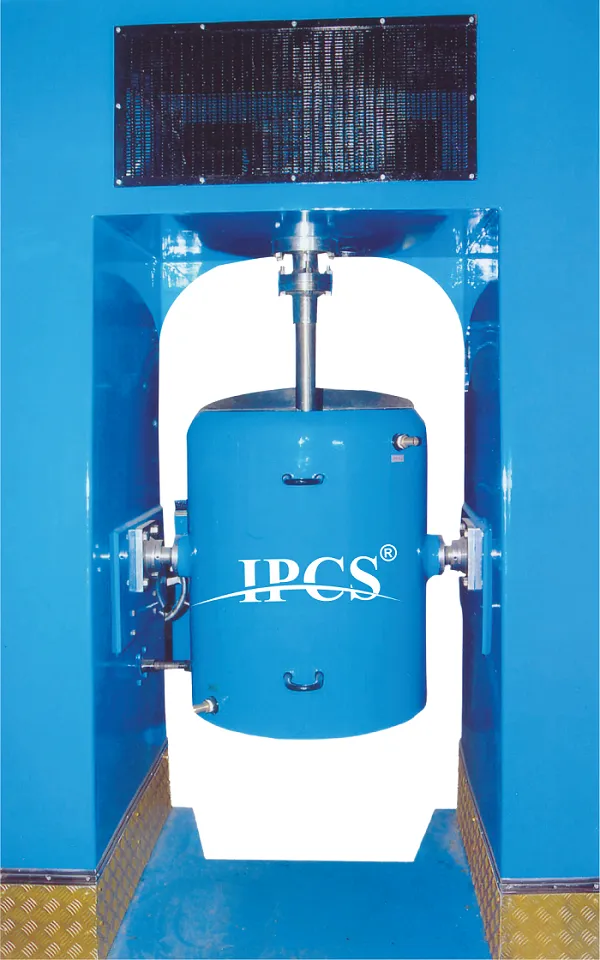
02What Is Attritor Mill?
The tank is jacketed and filled with steel, ceramic or zirconia balls, typically larger than bead mill beads. Rotating arms stir the media, which grinds the paste by shear and impact. Discharge is through a bottom valve or a circulation system.
Because the tank is large and the paste thick, attritors suit production runs of a few tonnes or special products.
03Working Principle
Arms drive the grinding media around the tank. Pigment particles are crushed and sheared between balls. Cooling water in the jacket removes heat.
- Vertical tank and rotating arms
- Grinding balls in 3 to 10 mm range typical
- Jacket cooling
- Batch or circulation mode
04Applications
- High-viscosity pigment pastes
- Printing inks and coatings
- Colorants with abrasive pigments
- Heavy-duty industrial coatings
- Ceramic and mineral slurries
05Types & Configurations
| Type | Features | Suits |
|---|---|---|
| Batch attritor | Single tank, batch grinding | Small to mid production |
| Circulation attritor | Pumped through tank | Continuous grinding |
| Lab attritor | Small tank | Development trials |
| Flameproof attritor | Explosion-proof | Solvent systems |
06Key Selection Factors
| Factor | What to decide | Guidance |
|---|---|---|
| Tank volume | Batch size | Match to paste volume |
| Media type and size | Grind level | Steel, ceramic or zirconia balls |
| Motor power | Grinding energy | Higher for thick pastes |
| Cooling | Temperature | Jacket and chiller |
| Wear parts | Arms and liners | Abrasion-resistant material |
| Explosion protection | Solvent use | Flameproof electricals |
07Where It Fits in the Process
- Charge mediaInto the tank.
- Add pastePremixed pigment paste.
- GrindRun for set time.
- Test finenessSample at intervals.
- DischargeSeparate paste from media.
- CleanFlush tank.
08Installation & Utility Requirements
- Strong foundation
- Cooling water supply
- Space for media handling
- Flameproof area for solvents
09Safety & Operating Practice
- Guard rotating arms
- Lock-out for cleaning
- Control temperature
- Lifting aids for media
10Maintenance & Common Problems
| Problem | Likely cause | Fix |
|---|---|---|
| Slow grinding | Media worn or low load | Replace or top up media |
| Metal contamination | Steel media wear | Use ceramic media |
| Overheating | Low cooling | Check jacket flow |
| Paste sticks | Too thick | Adjust viscosity |
| Seal leaks | Wear | Maintain seals |
11How IPCS Supports Machinery Selection
- Comparison of attritor, bead mill and ball mill for your pastes
- Media selection
- Operator training
Machine details are indicative and are finalised against your product, batch size and site during quotation.
12Frequently Asked Questions
When should I choose an attritor over a bead mill?
For very thick or abrasive pastes, or when you need rugged batch grinding.
What media is used?
Steel, ceramic or zirconia balls, depending on contamination limits.
Is an attritor faster than a ball mill?
Generally yes, because stirring gives higher energy input.
Can it grind to very fine sizes?
Fine, but bead mills reach finer sizes with smaller beads.
How is the media separated?
By a screen at the discharge.