
01Introduction
A well laid out line reduces handling, spills and labour. A poorly laid out line makes the best machines slow.
This page covers common layouts and how to choose an automation level.
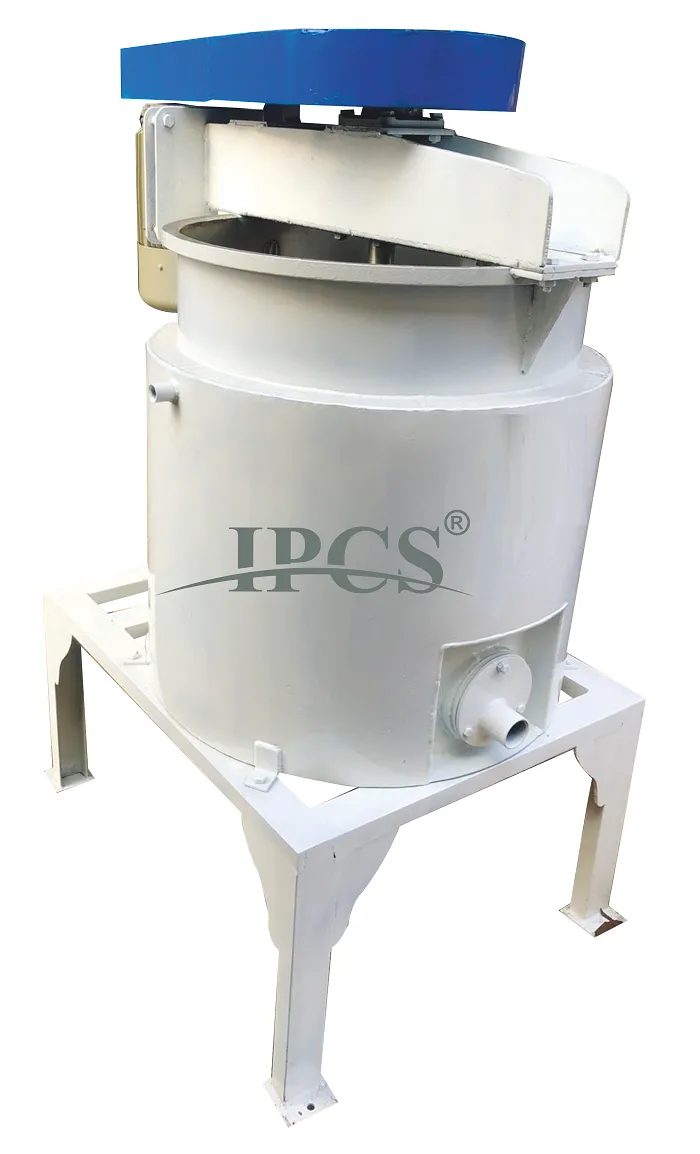
02What Is Paint Production Line?
In a gravity-flow line, mixing vessels sit on a platform above storage tanks, so paint flows down without pumps. Pump-fed lines use floor-level machines and are more flexible but need more pumping and cleaning care.
The product mix drives the layout: solvent and water-based lines need separate zones; colorants need clean-out routines.
03Working Principle
The line flows from raw material store to production hall to filling and finished goods store, with the laboratory at the point of approval.
- Raw material stores close to the dispersion area
- Dispersion and milling in the production hall
- Let-down tanks and holding tanks
- Filtration and filling near the despatch area
- QC laboratory between production and filling
04Applications
- Water-based paint plants
- Solvent paint plants with flameproof zones
- Dry mix plants with similar flow principles
- Colorant lines
05Types & Configurations
| Type | Features | Suits |
|---|---|---|
| Manual batch line | Floor-level machines, manual weighing and filling | Start-ups and trials |
| Gravity-flow line | Platform mixers above tanks and fillers | Mid-size plants |
| Pump-fed flexible line | Movable tanks and pumps | Many small batches |
| Automatic line | Automatic dosing, filling, capping and labelling | High volume |
06Key Selection Factors
| Factor | What to decide | Guidance |
|---|---|---|
| Annual volume | Litres per year | Larger volumes justify automation |
| Product variety | Number of products and colours | More products need flexibility |
| Building height | Platform clearance | Gravity flow needs height |
| Labour cost | Operator numbers | Higher labour cost favours automation |
| Solvent share | Flameproof zones | Segregate if solvent is used |
| Future growth | Space to extend line | Plan expansion path |
07Where It Fits in the Process
- Raw material receiptStore, label and issue.
- Dispersion on platformHSD with tank below.
- MillingMill near the premix.
- Let-down and QCTank and lab approval.
- Filter and fillFill line.
- DespatchPalletise and store.
08Installation & Utility Requirements
- Strong platform and access stairs
- Floor drains and bunds
- Overhead height for disperser lift
- Clear forklift routes
- Utilities near each zone
09Safety & Operating Practice
- Handrails and non-slip platforms
- Emergency stop and lighting
- Separate fire zones for solvent areas
- Spill containment
- Staff training
10Maintenance & Common Problems
| Problem | Likely cause | Fix |
|---|---|---|
| Cross-contamination | Shared tanks and lines | Cleaning procedures, dedicated tanks |
| Long changeover time | Poor layout | Add movable tanks |
| Operator fatigue | Heavy manual handling | Use hoists and pumps |
| Bottleneck at filling | Slow filling | Add filler or auto line |
| Product loss on washing | Large residue | Optimise tank design |
11How IPCS Supports Machinery Selection
- Layout design and platform drawings
- Material flow and safety review
- Automation level recommendation
Machine details are indicative and are finalised against your product, batch size and site during quotation.
12Frequently Asked Questions
Is gravity flow better than pump flow?
Gravity needs height but is simple. Pump flow is flexible and suits many small batches.
How tall should the building be?
Enough for platform, disperser lift and clearance; usually higher than a plain warehouse.
When should I automate?
When volume and labour cost justify it, and when processes are stable.
Can I upgrade a manual line later?
Yes if the layout leaves space and utilities.
How do I separate solvent and water-based production?
With separate rooms or fire-rated partitions and flameproof equipment for solvent zones.